
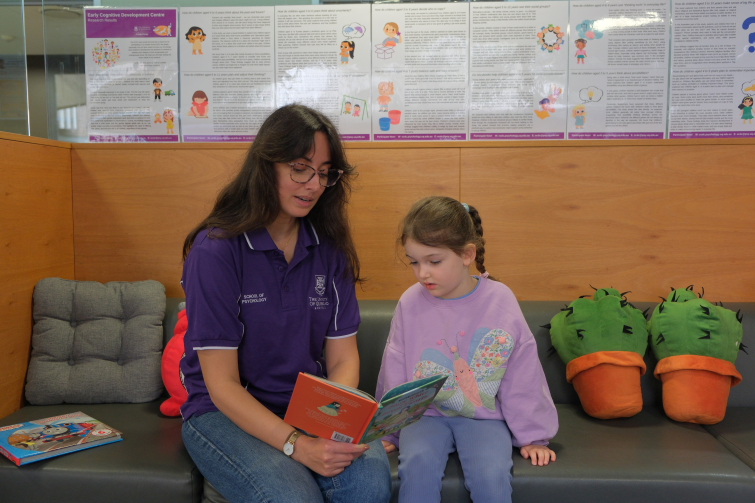
The Early Cognitive Development Centre at the University of Queensland invites children from 0-12 years of age, expecting parents, and families to take part in fun, hands-on activities that help advance our understanding of child development.
Every participating child receives a prize and certificate after each visit as a thank you for their contribution. You can join the ECDC mailing list to find out about upcoming studies.
Participate in Science with the University of Queensland’s Early Cognitive Development Centre
Do you ever watch your child do something and wonder, “How did they figure that out?”?
Whether it’s making sense of a new experience, working through a problem or building relationships, children are constantly finding new ways to understand the world around them. At the Early Cognitive Development Centre (ECDC) located at UQ’s St Lucia campus, families can take part in research that helps uncover how developing minds think and learn.
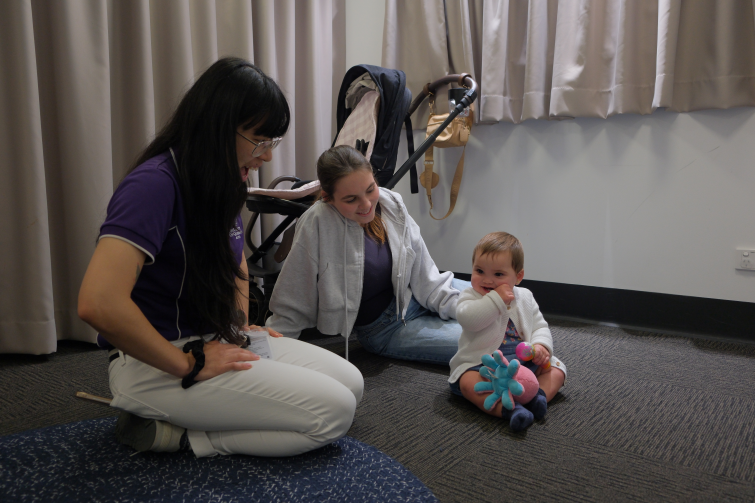
As part of Australia’s largest cognitive development research group, the ECDC explores how babies, toddlers and children make sense of the world through fun, engaging and age-appropriate activities. Whether you’re expecting a baby or have children aged 0-12 years, there are opportunities to participate in studies that are advancing our understanding of child development.
Why Families Like Yours Are Important
Researchers can only understand how children think and learn by working with families. By taking part, your child will help build a more scientific picture of how they understand the world. Research at the ECDC explores important areas of development, including language, memory, planning, social thinking and problem solving. The knowledge gained through this research helps improve everyone’s understanding of how children of various ages learn, think and communicate.
Parents frequently share that a highlight of participating is being able to watch their child complete tasks that mirror real-world scenarios that they usually wouldn’t get to see. To get involved you can sign up here.
What Does a Visit Look Like?
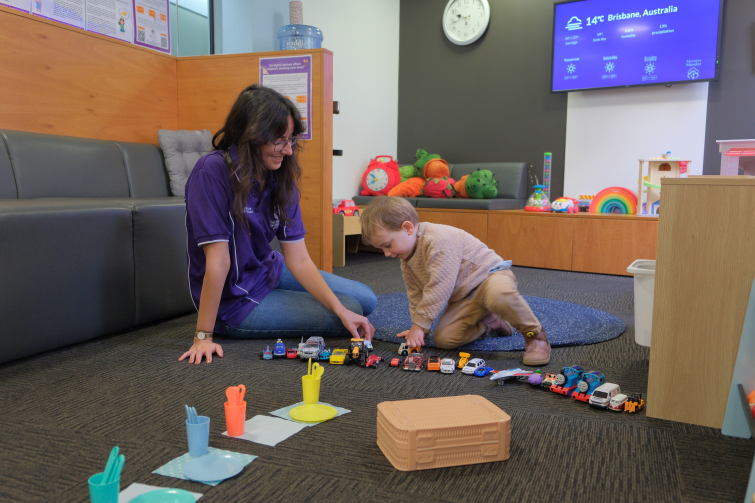
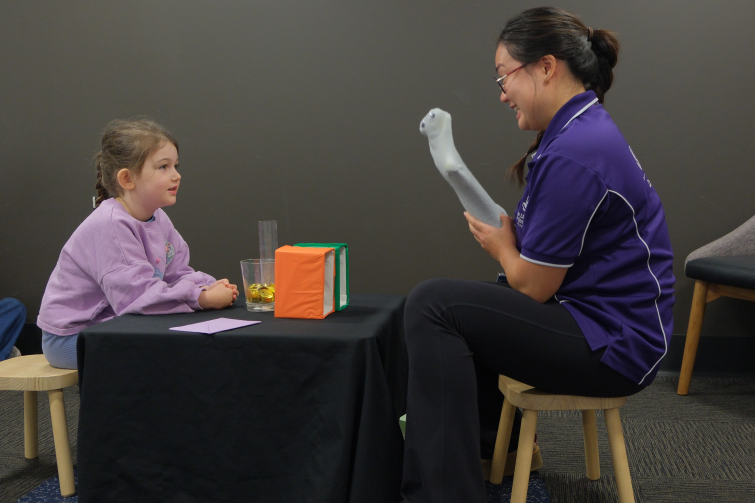
A visit to the ECDC is designed to be relaxing, engaging and a fun family day out. When you arrive, your child will spend some time in our playroom getting to know the researcher through play and conversation. Once they feel comfortable and settled, we will then transition to the research activities. Depending on the study, your child might play games, solve puzzles or listen to stories with a researcher.
Sessions are tailored to your child’s age and stage of development, and parents remain involved throughout the visit. As a thank you for taking part, your child will also receive a small prize to take home.
Located at UQ’s St Lucia campus, the ECDC is easily accessible by bus or CityCat, with parking available onsite. For families who prefer to participate from home, occasionally research studies can be conducted via Zoom or Microsoft Teams. We also offer online questionnaires that can be completed on your phone or computer at a time that suits you, without your child needing to be present.
Testimonials
“Both of my children love participating in research studies at the ECDC. It feels like a special event every time we attend. The researchers are extremely friendly and welcoming, placing my children immediately at ease, and the waiting area is full of child-friendly activities. For my daughter, who is 5 years old, participating is especially meaningful because she understands the importance of helping others understand how children learn, think and play, and it makes her feel proud that she can contribute to this knowledge. I am delighted to have the opportunity to contribute to a growing research base that supports our understanding of children’s development. Participating in ECDC research is a welcoming, fun and engaging experience for the entire family.” – Mum of a 5-year-old and 2-year-old, participating in ECDC research for 5 years
“Our child enjoys participating in research studies at the ECDC because it is interactive learning with tasks that involve risk and reward. We learn together as a family and consider the findings with great interest, and the studies have informed us all to challenge what we know. It has been fascinating to watch our child approach the tasks of each project, and the outcomes have delighted and enlightened us as parents. For families who have not yet participated, we would say: do it!” – Mum and Dad of an 8-year-old, participating in ECDC research for 3 years
“My child enjoys getting to ‘play’ and interact with the activity that had been set up for him. I enjoy getting to see his reactions and learn more about his personal development, and the insights from these studies are invaluable. It’s worth going not only to support students finalise their studies, but also to learn more about your own child and how their little minds are working.” – Mum of a 2-year-old, participating in ECDC research for 1.5 years
Frequently Asked Questions
Does ECDC perform formal developmental psychological assessments? The ECDC is a non-clinical research centre; they don’t clinically assess children. They are, however, happy to refer you to qualified clinical psychologists who can.
How long does a typical session take? The length of each study varies, but typically a single session takes between 30 and 40 minutes. The researcher running the study will inform you how of your session duration.
Who runs the studies? Fully trained research assistants or postgraduate students run these studies, under the supervision of the Centre’s principal researchers who all hold doctorates (PhDs) in developmental psychology.
Do parents participate? Usually no — but sometimes parents are asked to take part in the activities or to complete questionnaires and surveys.
Can I get copies of the results? ECDC sends a yearly research results newsletter to all visitors of the ECDC to keep them up to date on the activities over the last 12 months. They provide an archive of newsletters online, and respond to all written requests for further information. Often the difference in time between a testing session\ and academic publication can be many months (or even a year or so).
What does ECDC do with the results? ECDC presents their findings at scientific conferences and publish them in academic journals. You can find a list of their recent publications online.
Interested in Getting Involved?
You can join the ECDC mailing list to find out about upcoming studies and choose when to come and participate. Sign up to the mailing list here.